SHILAJIT
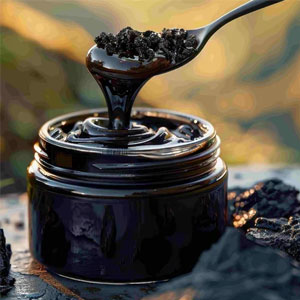
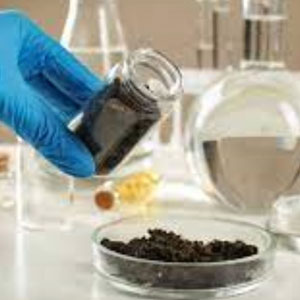
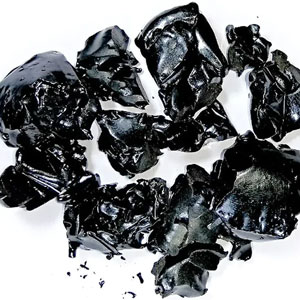
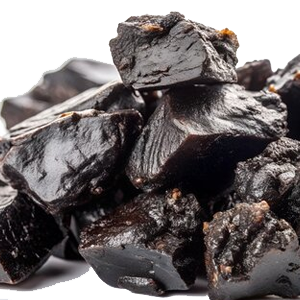
Laboratory testing of Shilajit is essential to ensure its quality, purity, potency, and safety. Since Shilajit is a natural resinous substance rich in bioactive compounds like fulvic acid, testing helps verify its authenticity and detect contaminants or adulterants.
Importance of Shilajit Testing
- Ensures the product is genuine and free from harmful contaminants.
- Confirms the potency of bioactive compounds, especially fulvic acid.
- Protects consumer health by screening for heavy metals and microbial contamination.
- Supports regulatory compliance and quality assurance for manufacturers and suppliers.
Some Important FAQ's
Look for testing that covers heavy metals (lead, arsenic, mercury, cadmium), microbial contamination (mold, bacteria), and fulvic acid content.
Reports should show that levels of lead, mercury, arsenic, and cadmium are within safe, consumable limits, often complying with international health and safety standards (e.g., WHO guidelines).
Common testing methods include ICP-MS for heavy metals and FTIR or HPLC for identifying fulvic acid and overall compound profiles.
It is crucial because raw shilajit can be contaminated with environmental pollutants or intentionally adulterated with sand, clay, or other fillers to increase volume.
The report verifies the chemical composition, which should match that of authentic, high-altitude Himalayan shilajit.
Our Services
Fresh & Dried Fruits
Cereals, Grains, Pulses & Products
Oils & Fats
Tea & Coffee
Milk & Milk Products
SAFFRON
SHILAJIT
White Sugar
Salt
Honey & Waxes
Juices & Concentrates
Fortified Biscuits
Baby Milk
Ready to Use Products
Confectionaries
Pesticides
Fertilizers
Microbiology